
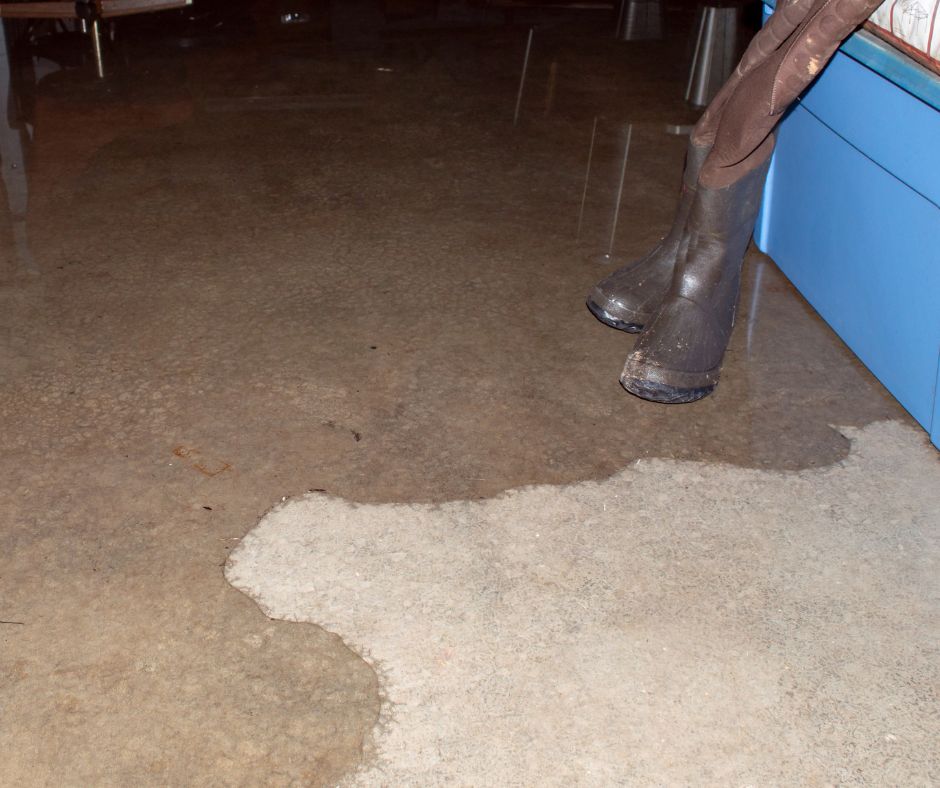
At PT Renovations, we recognise that converting a basement can be fraught with concerns, particularly the risk of flooding. This issue, if not addressed properly, can lead to costly damages and significantly derail your renovation project.
The Perils of Water Damage
Basements sit below ground level, making them natural targets for water ingress. The risk of flooding becomes more pronounced when altering the space, as construction can reveal or even create vulnerabilities.
Potential Sources of Flooding
It is crucial to identify where water may enter the basement. Common culprits include groundwater, surface water, and plumbing leaks. These sources can pose significant threats during the conversion process.
Groundwater Challenges
Groundwater can exert hydrostatic pressure on basement walls and floors. During renovations, this pressure can find weak points in the structure, leading to potential flooding.
Surface Water Ingress
Surface water, often from heavy rainfall or snowmelt, can accumulate around the basement. Inadequate drainage or grading can direct this water straight into your cellar.
Plumbing Leaks and Bursts
Old or damaged pipes can leak or burst, particularly when disturbed during renovations. This risk underscores the need for a thorough inspection before starting the conversion.
Preventative Measures for a Dry Basement
Mitigating the risk of flooding is paramount in any basement conversion. Here are the preventative measures we advocate:
Comprehensive Assessment
A thorough inspection by professionals can identify existing and potential issues that could lead to flooding. This assessment is the first and most crucial step in the process.
Effective Waterproofing Solutions
Employing robust waterproofing techniques is essential. From interior sealants to exterior membranes, the right solution can protect against groundwater and surface water.
Upgraded Drainage Systems
Installing or upgrading basement drainage systems helps manage water effectively. Features like sump pumps and French drains can prevent water from accumulating.
Checking and Repairing Plumbing
Ensure all plumbing is in good condition before work begins. Any necessary repairs or upgrades can prevent leaks and bursts that lead to flooding.
Planning for Emergencies
Even with the best precautions, it is wise to plan for emergencies. Quick-action measures, such as installing water alarms and keeping electrical circuits above potential water levels, can mitigate damage if flooding occurs.
Post-Conversion Care
The responsibility to safeguard your basement against flooding continues even after the conversion is complete. Regular maintenance is vital to ensure the ongoing effectiveness of waterproofing and drainage systems.
Routine Inspections
Regular checks can catch issues before they become serious problems. Inspect waterproofing and drainage systems at least annually.
Keeping Drains Clear
Ensure that external drains remain clear of debris. Blocked drains are a common cause of basement flooding.
Monitoring Plumbing Health
Keep an eye on the health of your plumbing system. A small leak can quickly escalate into a significant flooding event.
Partner with the Right Team
Choosing the right team for your basement conversion can make all the difference. PT Renovations brings expertise in tackling the challenges of basement flooding. Our approach ensures that we address risks head-on, with smart solutions tailored to your property’s unique needs.
Conclusion
Flooding is a risk during any basement conversion, but it is not an insurmountable one. By understanding the sources of water ingress and taking preventative measures, you can keep your basement dry throughout the conversion process. With PT Renovations, you gain a partner dedicated to delivering a high-quality conversion that remains resilient against the threat of water damage, safeguarding your investment for the long term.