
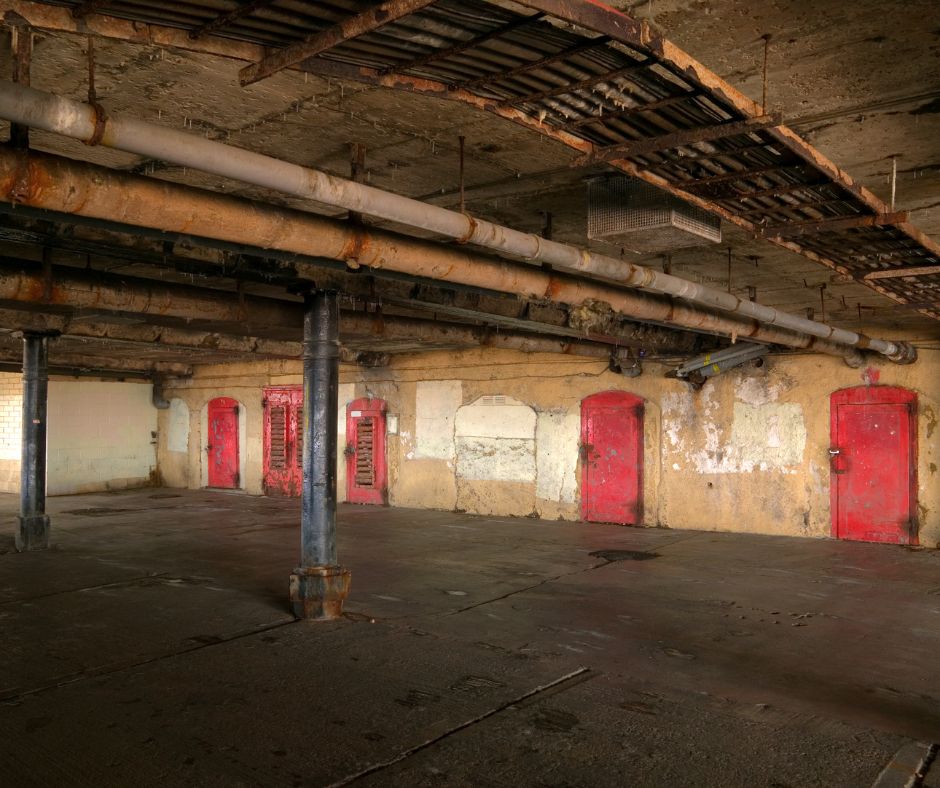
When homeowners consider transforming their cellars into vibrant living spaces, one question often arises: Can a cellar conversion cause structural issues? This concern is valid, given the role of a cellar in the overall stability of a building.
Understanding the Structural Rispects
The cellar forms part of your home’s foundations, so any alteration requires careful consideration. Removing earth from around the cellar walls or changing the internal structure may impact the integrity of the building.
Excavation Concerns
Digging deeper into the cellar floor to increase headroom is a common part of conversions. However, this process can disturb the foundation’s footing, potentially affecting the building’s stability.
The Pressure of Water
Water in the soil exerts lateral pressure on cellar walls. If waterproofing during the conversion is not adequate, this pressure can lead to cracks or even cause walls to bow inwards.
Load-Bearing Walls
The cellar may have load-bearing walls that are crucial to the building’s structure. Altering these without proper support can lead to sagging floors or ceilings, and in extreme cases, collapse.
Addressing Potential Structural Issues
Conducting a cellar conversion safely involves several key steps to ensure that the building’s structure remains secure.
Engage a Structural Engineer
Before any work begins, hire a structural engineer to assess the cellar’s condition. They can identify any potential risks and recommend ways to reinforce the structure if necessary.
Follow Building Regulations
Adhere strictly to building regulations, which are in place to maintain structural integrity. These rules will dictate how to proceed with excavation, waterproofing, and alterations to load-bearing walls.
Professional Waterproofing
Implement a professional waterproofing system to manage external pressure from groundwater. This is essential to prevent water ingress that can weaken or damage the structure over time.
Reinforce Where Necessary
If you are lowering the floor or altering walls, you may need to underpin the foundations or add steel beams for reinforcement. These measures help to distribute loads evenly and maintain stability.
Monitor Throughout the Process
Keep a close eye on the structure throughout the conversion. Signs of movement, such as new cracks in walls or floors, should be assessed by a professional immediately.
After the Conversion
The project does not end once the conversion is complete. Regular checks and maintenance are part of the long-term care needed to ensure the cellar remains structurally sound.
Regular Inspections
Schedule regular inspections to check the structural elements, especially after extreme weather events or any signs of movement in the house.
Maintain Waterproofing Systems
Waterproofing systems can degrade over time. Maintain them properly to ensure they continue to protect the cellar from water pressure.
Be Aware of Warning Signs
Know the warning signs of structural issues, such as doors that no longer close properly or visible cracks in walls. Early detection is key to preventing major problems.
Professional Approach to Cellar Conversions
Choosing the right team for your cellar conversion is critical. PT Renovations prides itself on a thorough understanding of the structural challenges associated with cellar conversions. We bring expertise and care to every project, ensuring that the structural integrity of your home is our top priority.
A cellar conversion can present structural challenges, but with a professional approach, these can be effectively managed. By involving structural engineers, adhering to building regulations, and implementing proper waterproofing and reinforcement, your cellar conversion can enhance your home without compromising its stability. Trust in a professional team like PT Renovations to guide you through this complex process, ensuring that your conversion is both safe and successful.